

My neighbor's mother is 74, lives alone in Pune, and for months her biggest daily worry wasn't her health or her medicines. It was whether she'd remember where she kept the door key. Sounds small, right? But ask any family with elderly parents at home and they'll tell you this is a real, recurring headache. Fumbling with keys, misplacing them, or just not having the strength to turn a stiff old lock — these things pile up. That's why a smart door lock in India isn't some fancy gadget anymore. For a lot of homes, it's turning into something people actually need, not just want.
Why A Smart Lock Actually Helps Seniors
Here's the thing about growing older — grip weakens, eyesight isn't what it used to be, and yes, memory slips sometimes too. A regular lock and key needs all three of those working fine. Miss even one, and you're either locked out or, worse, stuck inside during an emergency.
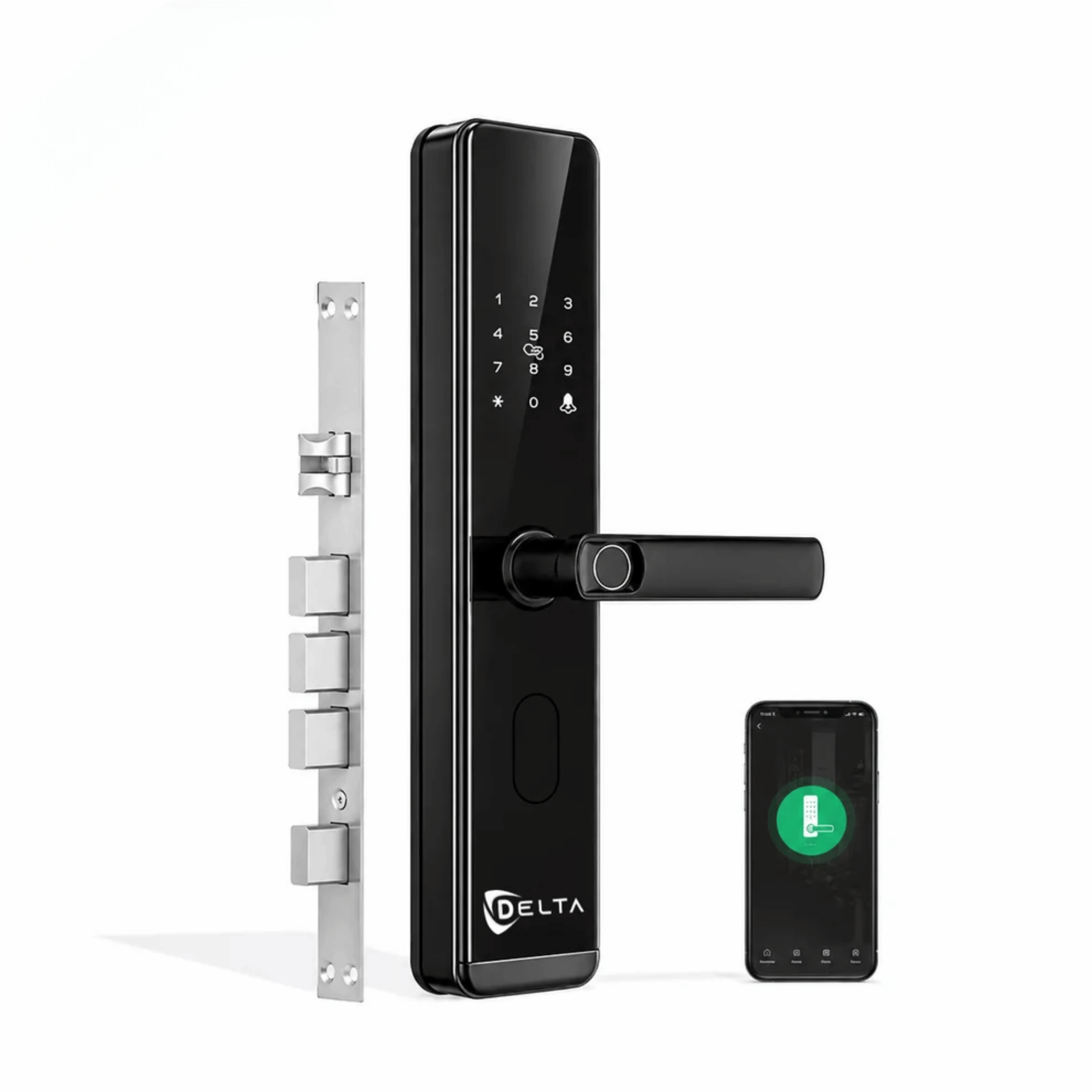
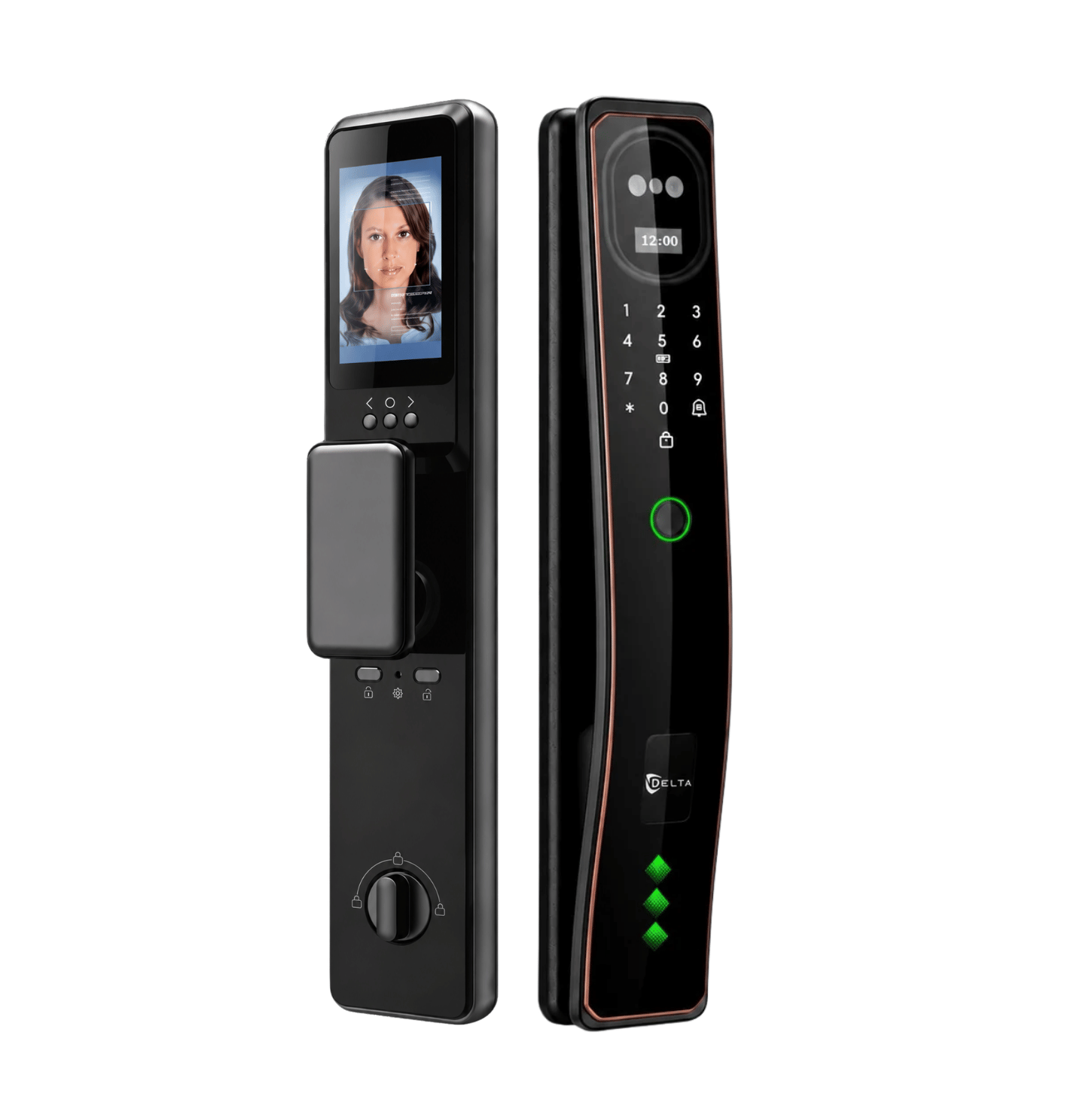
This is where a smart lock for senior citizens in India genuinely changes things. No more hunting for keys. Most of these locks open with a fingerprint, a PIN, or through an app on the phone. And honestly, the app part is what families love most — a son in Bangalore can check if his mother in Lucknow has locked the door at night, or unlock it remotely if a caregiver needs to get in.
What to Actually Look For
If you're shopping for a digital lock for home use and it's meant for an elderly parent or grandparent, don't just go by price or looks. Here's what matters more:
Backup options matter more than you'd think.
Go for a lock that gives at least three ways in, fingerprint, PIN, and a spare key. Why? Because older skin tends to be drier, and fingerprint sensors sometimes just don't read it well. You don't want your mother stuck outside because the sensor had a bad day.
Sound alerts, and loud ones.
A lock that beeps or gives a voice confirmation when it's locked or unlocked is surprisingly useful. It tells the person clearly, no guessing, no double-checking five times.
Battery life you don't have to think about.
These locks run on batteries, so pick one that lasts long and warns well before it dies. A few even let you charge them temporarily with a USB cable if the battery runs out completely — a lifesaver during, say, a power cut at night.
Simple buttons, nothing fancy.
If the interface needs a manual to understand, it's not right for an elderly user. Big buttons, clear spacing, a touch panel that still works even with slightly shaky hands.
App access for the rest of the family.
A proper smart door lock for Indian homes should let children or caregivers keep an eye on things remotely, who came in, who went out, whether the door's actually locked.
Which Brands Are Actually Worth It
There's no shortage of options in the market, but a handful of names keep coming up when people talk about reliability and, more importantly, after-sales service — Godrej, Yale, Qubo (Hero's brand), and Ultraloq. These cover fingerprint access, PIN entry, and app control, and they're not too hard to get serviced if something breaks down.
One tip though, when picking a smart lock for main door use, go with a brand that has service centers near you. An unknown international brand might look sleek, but good luck finding a technician if it stops working two years later.
The Real Benefits Here
It's not just about convenience, honestly. A few things stand out:
Traditional locks can be picked or duplicated without too much trouble. A digital lock with proper encryption makes that a lot harder.
Lost keys stop being a problem. If your parents tend to misplace things (who doesn't?), this alone is worth the switch.
There's real peace of mind too, knowing someone can check in on a parent's door status from another city changes how families worry, or rather, how much they don't have to.
And in a real emergency, some locks let you unlock the door remotely so help can get in immediately, instead of waiting for someone to physically show up with a spare key.
Before You Buy — A Word of Caution
Test the lock with the senior citizen actually present, before you finalize anything. Some elderly users struggle with fingerprint access no matter how good the sensor is, so make sure there's a solid PIN backup. And do check how it behaves during a power cut — this isn't a small detail in India, where outages still happen more often than we'd like.
Bottom Line
Getting a smart door lock for Indian homes for elderly parents isn't about chasing trends. It's about making their everyday life a little less stressful and a lot safer. Fingerprint access, remote monitoring, clear alerts, these small things add up to real peace of mind for everyone involved. Take your time, compare a couple of models, maybe read what other Indian users are saying, and pick whatever actually fits your home before you make the switch.