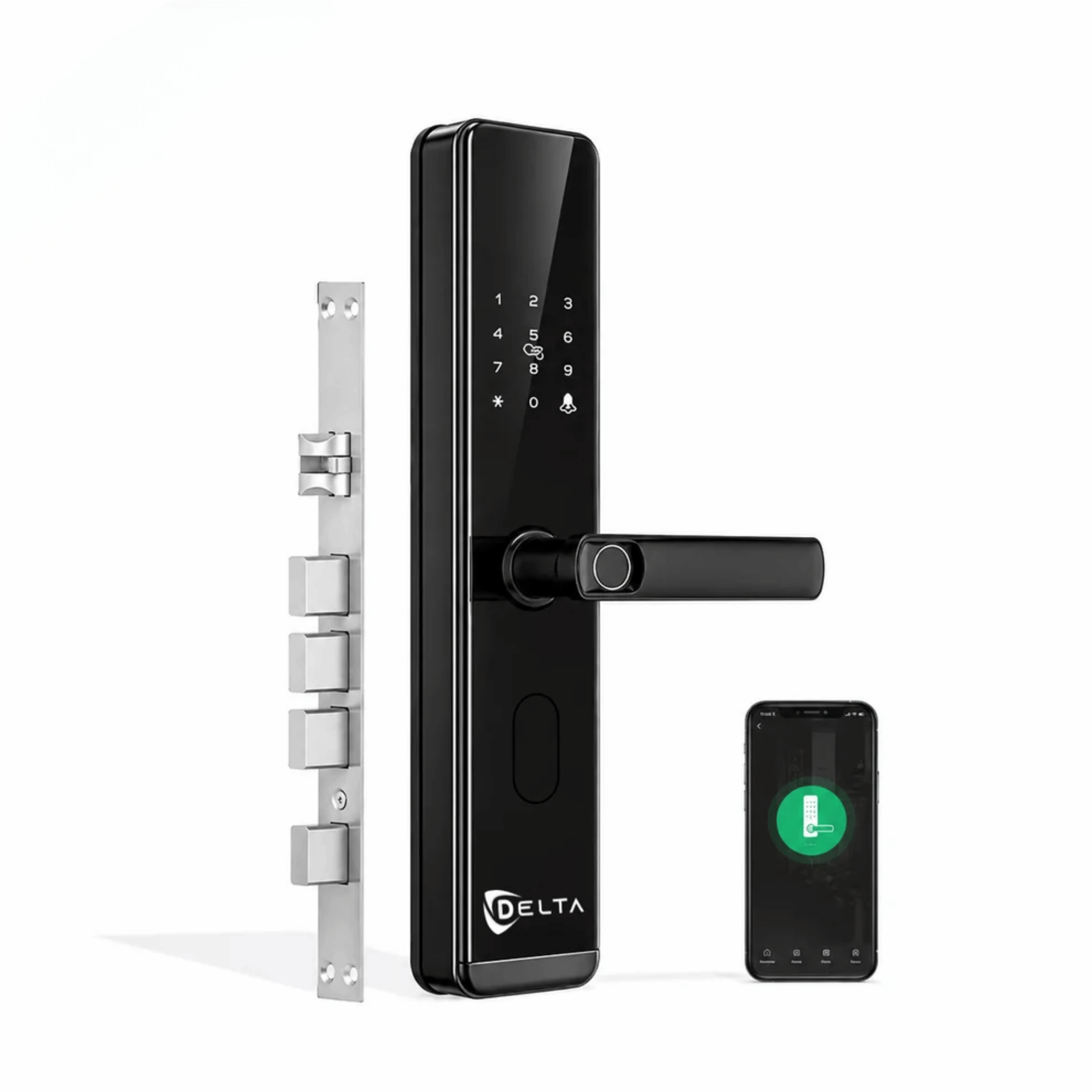
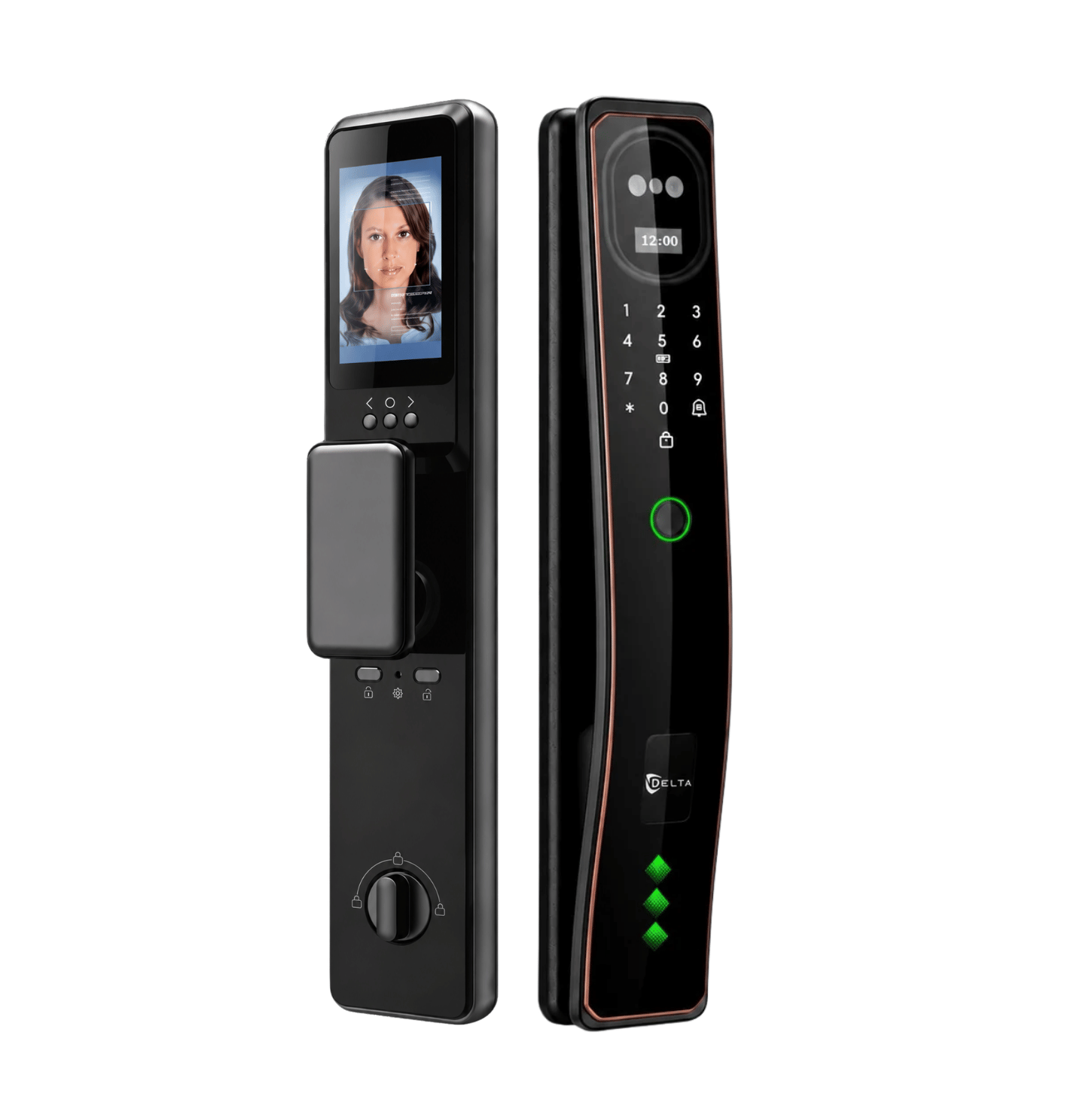


There's a certain moment everyone's had standing outside their own house at night, keys somewhere at the bottom of a bag, torch on your phone the only light you've got. It's a tiny frustration, but it's the kind that repeats itself until you finally think, there has to be a better way. Turns out there is, and it's been sitting in front of us for a while now the biometric door lock.
Let's talk about what these actually do, why they're becoming the default choice for a lot of homes, and what's worth thinking about before you get one for your own place.
So What Even Is a Biometric Door Lock?

In the simplest terms, it's a lock that reads something unique about you, your fingerprint, your face, sometimes even your eye instead of relying on a physical key. No key means nothing to lose, nothing to copy, and honestly, nothing to forget on your way out the door.
What's interesting is how normal this tech has become. A few years back it felt like something out of a spy movie. Now it's just a door lock. Ordinary, practical, and increasingly common in Indian homes, apartments, and even small offices.
Fingerprint Access: Probably the Most Common Starting Point
If you're easing into biometric locks, a fingerprint door lock is usually where most people start. It's fast, it's familiar (most of us unlock our phones this way already), and it doesn't require remembering anything. You just touch the sensor, and you're in.
The good ones are surprisingly forgiving too. A slightly wet finger after washing hands, or a bit of dust from a long day outside decent sensors still pick you up without much fuss. That reliability is really what makes people stick with fingerprint access over other methods.
Digital Door Lock: More Than Just Fingerprints
The term digital door lock covers a slightly wider category, it's basically any lock you're operating through electronics rather than a metal key. That could mean fingerprint, a keypad code, an app on your phone, or a mix of all three. The nice thing about going digital is flexibility. Got guests staying over for a week? Give them a temporary code instead of an actual key, and it stops working the day they leave. Try doing that with a traditional lock.
Why People Are Rethinking What "Best" Even Means
When people go looking for the best door locks, they usually start with brand names and price tags. But honestly, "best" really depends on your specific door, your household, and how many people are coming in and out daily. A single-person apartment has very different needs than a joint family home with kids, grandparents, and a rotating cast of relatives visiting on weekends. The best lock for you is the one that fits how your household actually functions, not just the one with the flashiest features.
Securing the Main Entrance the Right Way
Your front door carries more weight than any other door in the house, security-wise, which is why a biometric lock for main door use gets talked about so much. It's usually the first (and sometimes only) real barrier between your home and, well, everyone else. Getting this one right matters more than getting fancy locks on internal doors that honestly don't need them.
A solid main door lock should have backup options built in because even the best fingerprint sensor can have an off day, whether it's a scratch on your finger or just really cold weather messing with the reading. A keypad or a spare key slot as backup isn't a downgrade, it's just common sense.
Things Worth Actually Checking Before You Buy
- Battery performance matters a lot more than people expect going in. Ask how long the battery lasts and how early it warns you before running out completely.
- Weather resistance is worth double-checking too, especially with Indian summers and monsoons doing a number on outdoor-facing electronics. A lock that works fine in a showroom in Delhi in October might behave differently after a humid July.
- Backup access is non-negotiable, honestly. One method failing shouldn't mean you're stuck outside your own home.
- And don't skip checking installation and support. A lock is only as good as the person who set it up correctly, and a company that answers the phone when something goes wrong.
Where This Is All Heading
Keys aren't disappearing overnight, but it's pretty clear which direction home security is moving in. Biometric door locks are quietly becoming the standard rather than the exception, and for good reason, they're faster, harder to fool, and honestly just less stressful to live with day to day. Whether you're starting simple with a fingerprint door lock or going all in with a full digital door lock setup, the shift away from keys is one of those upgrades that, once you make it, you genuinely wonder how you managed without it.