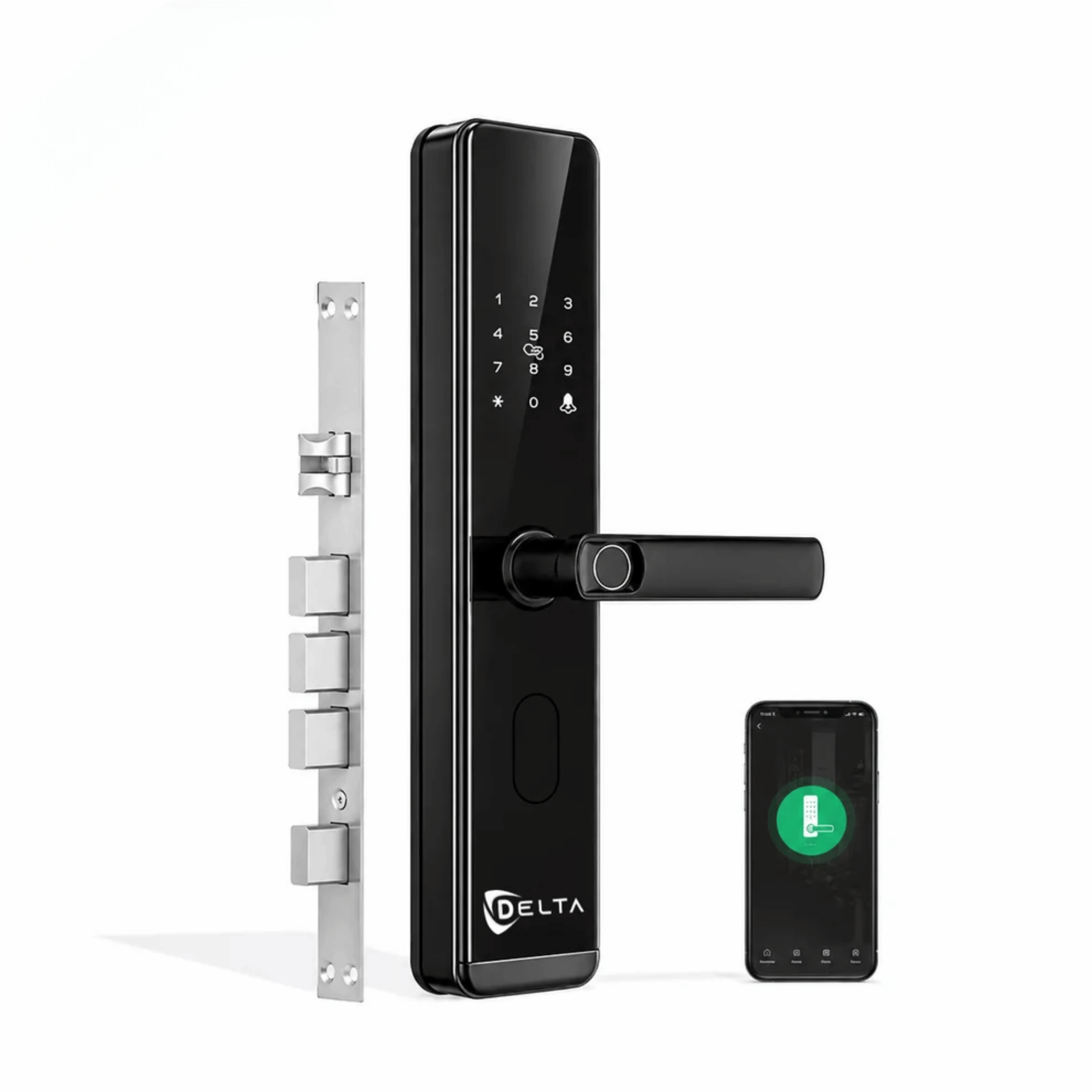
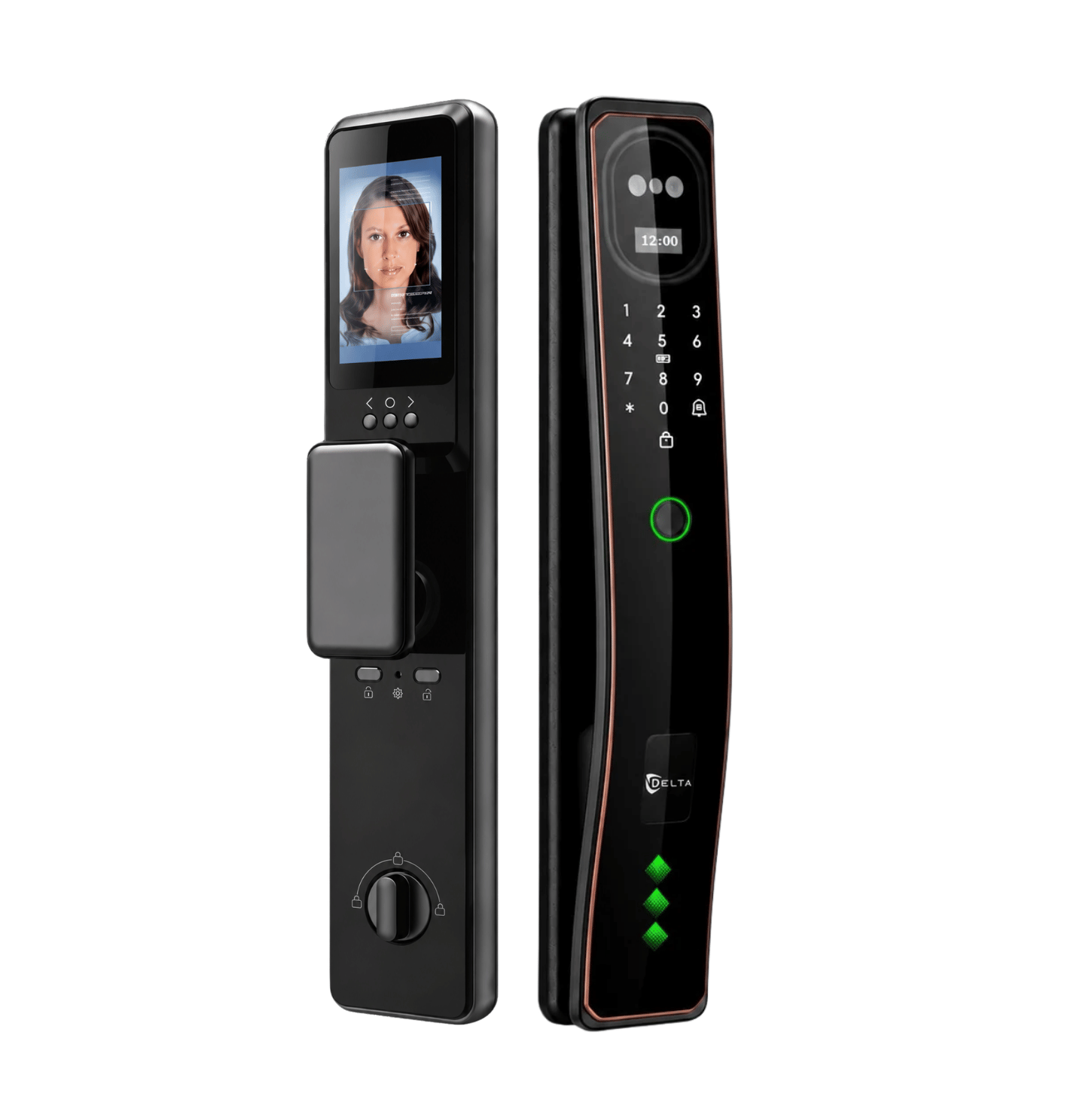


There is a particular kind of quiet confidence that comes with walking up to your front door and having it recognize you before you even reach for anything. No fumbling, no searching, no that sinking feeling when you realize the keys are in the other bag. Just you, your door, and a half-second of biometric authentication that feels less like technology and more like your home simply knowing you.
This is not a scene from a near-future film. It is the everyday reality for a rapidly growing number of Indian homeowners right now. And it raises a question that would have seemed premature just five years ago: are physical keys actually becoming obsolete in India?
The honest answer is that the shift is already underway, and it is moving faster than most people outside the smart home industry realize.
India Is at a Tipping Point for Smart Lock Adoption
The growth of smart locks in India over the past three years has been remarkable. What was once a niche product for technology enthusiasts in premium apartments has become a mainstream consideration for middle-class families across metro cities, Tier 1 towns, and increasingly Tier 2 cities too.
Several forces are converging to drive this. Smartphone penetration has crossed 700 million users in India, meaning the foundational infrastructure for app-based lock control is already in the hands of most homeowners. The cost of smart lock hardware has dropped meaningfully as manufacturing has scaled, bringing quality options into price ranges that genuinely compete with premium traditional lock brands. And awareness of home security vulnerabilities, fueled partly by social media and partly by real incidents in urban residential complexes, has made homeowners more willing to invest in genuinely secure solutions.
The future of smart locks in India is not a decade away. It is being built right now, one front door at a time.
What Is Actually Driving Homeowners Away from Keys?
Understanding why Indian families are making the switch to keyless door locks reveals something interesting: convenience and security are not competing motivations. They are the same motivation expressed differently.
When a working couple in Bengaluru installs a smart door lock in India so that their child can get home from school without needing a key, they are solving a convenience problem. But they are also solving a security problem, because a ten-year-old who cannot lose a key is a ten-year-old who cannot accidentally give a stranger access to the family home. Across India, this same logic is playing out in thousands of households that are choosing a smart door lock in India for reasons that are equal parts practical and protective.
When a senior citizen in Pune installs a fingerprint lock so they do not have to struggle with a stiff deadbolt twice a day, that is a quality of life improvement. But it is also a security upgrade, because they no longer need to leave a spare key with a neighbor or under a flowerpot.
The keyless living India movement is being driven by the recognition that the physical key was never a particularly good solution. It was the only one available for a very long time. Smart locks in India are not replacing keys because they are trendy. They are replacing keys because they are genuinely better at the job.
How the Technology Has Matured for Indian Conditions
One of the most important developments in the future of smart locks is how the hardware and software have been refined specifically for the Indian context. Early smart lock products available in India were largely imported, designed for temperate climates, dependent on stable internet connectivity, and not always compatible with the range of door thicknesses and configurations found in Indian homes.
That gap has closed substantially. Today's generation of smart home security India solutions, particularly from brands that design and build for the Indian market, address these realities directly. Weather resistance rated for monsoon humidity and peak summer temperatures. Offline-first operation that keeps working through power cuts and Wi-Fi outages. Adaptive fingerprint sensors that recognize a wider range of skin types and age groups accurately. Universal door handle settings for left and right-oriented doors. Battery backup systems with emergency USB charging ports for worst-case scenarios.
This maturation of the technology is what has pushed smart security systems from aspirational to practical for the average Indian homeowner. It is no longer about whether the product can theoretically work in Indian conditions. It is about choosing the right product from a brand that has done that engineering work properly. As smart security systems continue to evolve, the gap between what a traditional lock offers and what a smart lock delivers will only grow wider.
The Role of Smart Locks in India's Broader Smart Home Story
The future of smart locks is also inseparable from the broader story of smart home devices in India. The smart home market in India is projected to reach tens of millions of connected households over the next five years, driven by falling hardware costs, increasing broadband penetration, and a generation of homeowners who have grown up with smartphones and expect their homes to respond with similar intelligence.
A smart door lock is almost always the first smart home device an Indian family installs, and for good reason. It is the most visible, most frequently used, and most emotionally resonant security upgrade available. Every time you open your front door, you interact with it. That daily interaction builds familiarity and comfort with smart home technology in a way that a smart bulb or a connected thermostat simply cannot.
For brands like Delta Home, this entry-point role of the smart door lock creates an opportunity to build a relationship that extends into the broader home. When a homeowner's first smart security for home experience is reliable, professionally installed, and genuinely easier than what it replaced, they are far more likely to continue investing in connected home technology across other areas.
Digital Door Locks and the Changing Definition of Home Security
The way Indian families think about home security is changing in step with smart lock adoption. The old model of home security was static: you had a physical lock, a physical key, and perhaps a security guard in larger complexes. Breaches happened and you dealt with them after the fact.
Smart home security in India introduces a more dynamic model. A digital door lock for the home connected to your smartphone gives you real-time awareness of every entry and exit. Tamper alerts reach your phone the moment someone tries to interfere with the lock. Remote lock and unlock capability means you can respond to situations from anywhere. Access logs give you a timestamped record of everyone who has entered your home and when.
This shift from passive to active security is significant. It means a homeowner in Mumbai can know the exact moment their domestic help arrived and left while they were in a meeting in another city. It means parents can confirm their child got home safely without a phone call. It means the entire access management of a home becomes transparent, controllable, and auditable in ways that a keyhole and a cut piece of metal can never provide.
A keyless door lock in India, in this sense, is not just a replacement for a traditional lock. It is a fundamentally different category of product that changes what home security means. A digital door lock for home gives you something a mechanical key never could: real-time visibility, remote control, and complete accountability over who enters and leaves your home and when. And a keyless door lock in India delivers all of that without adding friction to the simplest daily act of walking through your own front door.
Are Physical Keys Truly Becoming Obsolete?
The candid answer is: not entirely, and not immediately. The mechanical key backup built into virtually every smart lock on the market reflects a sensible acknowledgment that technology can fail. Battery life ends, sensors malfunction under unusual conditions, and human beings occasionally need a fallback. The physical key is not going away as a concept.
What is changing is its role. The physical key is shifting from being the primary access method to being the emergency backup, the same way a spare tyre is in your car boot, but does not define how you travel. Keyless living in India does not mean key-free living. It means key-irrelevant living for the vast majority of daily interactions with your front door.
For smart locks in India, the trajectory is clear. Prices will continue to fall as volume scales. Features will continue to improve as the technology matures. And the percentage of Indian homes that rely primarily on a physical key for front door access will continue to shrink, steadily and irreversibly.
Why Delta Home Is the Brand to Watch as This Future Unfolds
In a category moving this quickly, the brands that will define the future of smart locks in India are the ones that combine engineering quality with genuine market understanding. Delta Home has spent years building both.
Designed specifically for Indian doors, Indian weather, and Indian household dynamics, Delta Home's range of smart door lock products covers everything from entry-level PIN and fingerprint models to premium units with 3D face recognition, palm vein biometric authentication, built-in HD video doorbells, and smart home integration. A 2 to 3 year replacement warranty, professional installation within 48 hours across cities nationwide, and a 24/7 emergency support line backs every product.
If the future of smart home security in India is moving toward connected, intelligent, keyless access, Delta Home is already there. Visit deltahome. in to explore the full range and see what the future of your front door looks like.