

Imagine, late evening and someone knocks, but you don't know who it might be. Do you open it? Do you ignore it? This is the very reason that in the last few years, more and more Indian homes have begun to have a video door phone installed. It eliminates that guesswork altogether you see the person first and then you think about what to do next and then you do it.
This guide should help you clear up the confusion of the many brands, specs, and price tags you may be getting in the mail if you're in the market for one.
Therefore, What is a Video Door Phone?
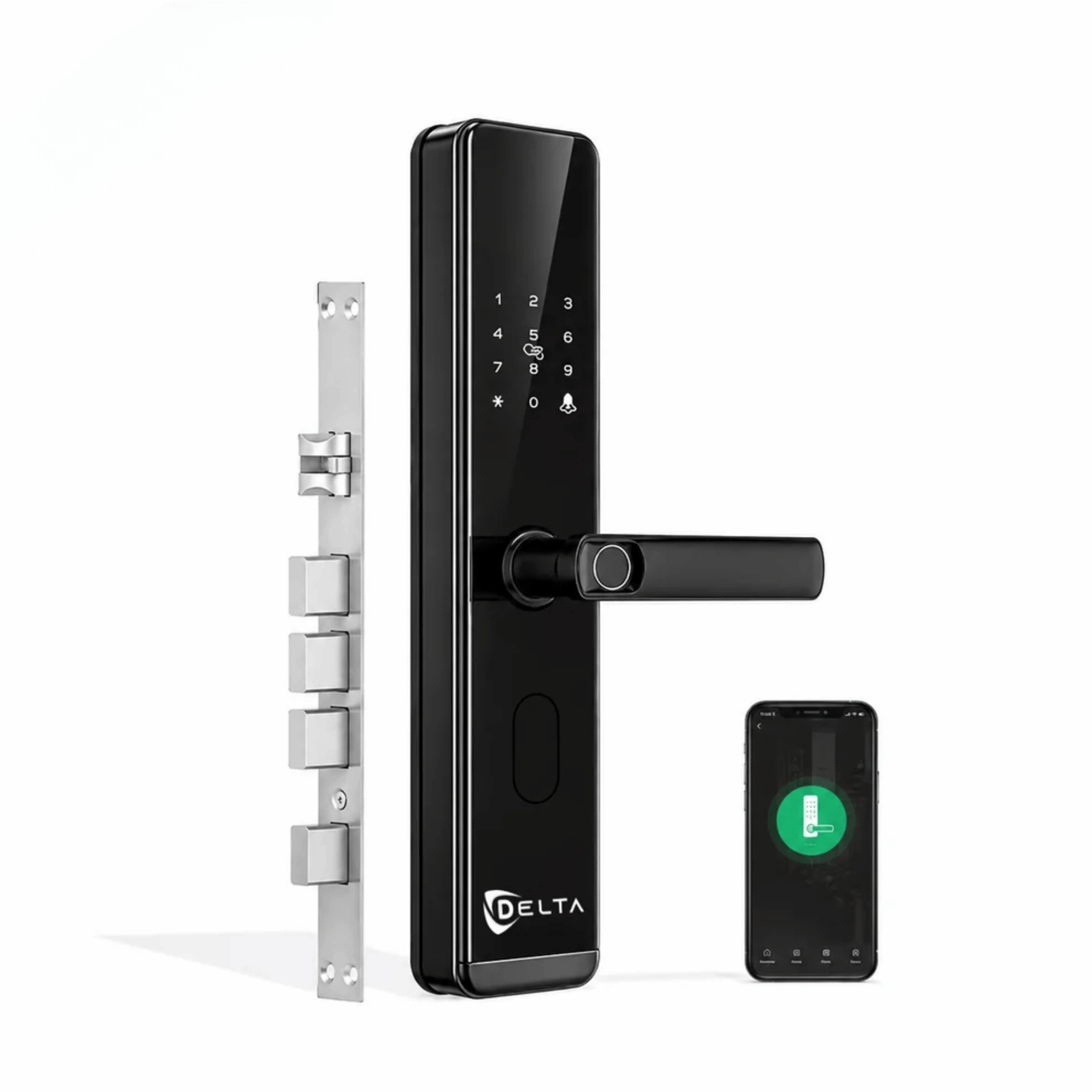
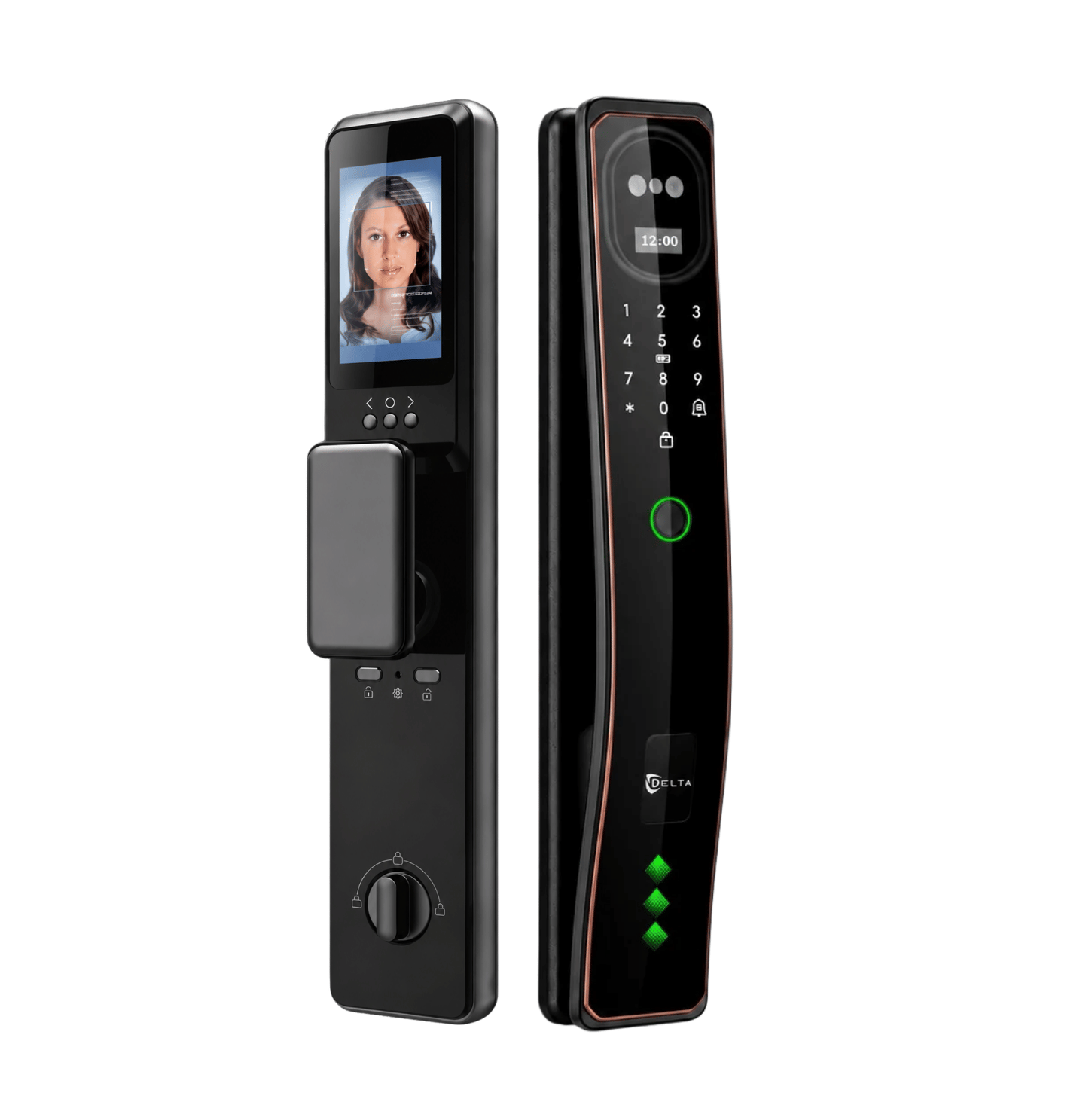
Essentially, it's a compact camera and speaker system attached to the door near your home. The person rings the bell and the camera immediately records them and playback will be available either on a wall-mounted screen inside or directly on the phone. You communicate with them, you choose whether or not to open the door, and you don't even touch the door. Now that's different than a standard doorbell, which... rings. No one can be seen, no one can be screened out. That's the space these devices occupy.
So Why Bother with Installing One?

When you speak with some of those that have switched over, a few reasons emerge.
Obviously, its safe aspect you won't have to open your door blind anymore particularly helpful when you're home alone or late at night. Talking about the problem of delivery that we all have these days – when packages arrive at a time when no one is around to take them. At least a door phone camera will allow you to make sure that the parcel was safely dropped off, even from miles away.
It is particularly reassuring to families with young children or grandparents living in the home. For most parents, the idea of a child answering the door to an unknown person is frightening enough, and these systems allow parents to have another parent (or anyone else for that matter) remotely monitor who is at the door and instruct the child on what to do.
Then there's the quieter one: Most of these systems track each and every visitor through taking a snapshot or a brief clip. Not a lot to think about, but it will be important when it does go wrong. Sometimes, you don't even want to open the door you simply want to tell the courier to leave the package by the door or ask to the salesperson to come back later. These cell phones allow you to do just that.
The Various Kinds You Will Encounter
The older and more traditional way is wired systems. A cable is connected between your outside unit and screen inside. They're reliable as they don't rely on your WiFi being up and running, but they generally require some drilling and cable work and that's not ideal if you've already moved in to a finished home.
Wireless systems don't do all that. No cable laying is required and the indoor unit can be mounted anywhere, as it sends the live video feed via wifi and most of these also push the live feed to your smartphone, so you can check your front door, no matter where you are with an internet connection.
The result is that some wireless models are more about your smartphone than anything else when someone calls, you receive a notification, open the app and you're in front of your door, even if you're stuck in the traffic jams at work.
Sometimes, larger houses, gated communities or office buildings require more, such as systems with multiple entry points or systems that can connect with multiple indoor panels simultaneously. These tend to be on the higher price tier as is expected.
When Selecting One, What Does it Really Matter?
While it's easy to go with the lowest cost, there are a couple of characteristics that really do make a difference in everyday use.
- Camera quality is at the top of the list and that's particularly true when it comes to night vision, as that is when most people view the camera to see who is at the door. Having night vision here is more of a necessity than a luxury.
- The use of a wide-angle lens helps, too. You don't want to see just a face in the picture, you want to see the person around the face, too, otherwise you're missing out on something just out of the camera's reach.
- Another area people don't think about until they start to strain to hear an unclear voice from a low quality speaker is audio quality. Two way communication is a must.
- Motion detection is a cool feature some even warn you as soon as someone walks in, without you having to press the bell. Helpful when you need an additional level of consciousness.
- Then there's storage. Some capture video to an SD card for later viewing requires an initial purchase, but has a limited capacity. Others move everything to the cloud, typically a subscription, but much more storage, and with easy access from anyplace.
- If you're opting to go wireless, research the app before purchase read a few reviews but look for a review focused on the app experience, as the app is what can detract from an otherwise great device.
Lastly, don't skip weatherproofing. The outdoor unit is exposed to sun, dust, monsoon rain every day of the year, if it's not built to withstand these elements, you'll be buying a new unit sooner than you'd like!
Talking Numbers: Video Door Phone Price
People typically ask this question first and it's a fair question the price of video door phone can vary greatly based on the type of video door phone that you are looking for.
The lower end are basic wired models that only have a screen and camera if you just want to see who's outside without any "smart" add-on.
If you want to go for the mid-range wireless models, you'll pay a little more, but you'll also gain smartphone alerts, good night vision and two-way talk this is where most homes go. The higher end is facial recognition, cloud storage, multiple indoor panels, smart home integration, which is a bit more expensive, but makes sense if you already have a connected home system in place that you want to integrate it into.