

Walk into any premium residential project in India today, and you will notice something different at the front door. No keys. No traditional padlocks. Just a sleek panel, a fingerprint sensor, or a quick tap on a phone. Smart door locks for new projects are no longer an optional upgrade. For builders and architects who care about delivering genuinely future-ready homes, they are fast becoming a standard specification.
So what is driving this shift? And why are professionals who design and build homes at scale making this call before the first resident even moves in? The answer comes down to a combination of buyer expectations, project differentiation, and the simple reality that the way people think about home security has fundamentally changed.
The Buyer Has Already Moved On
Today's homebuyer, especially in the urban and semi-urban markets, is informed, connected, and increasingly unwilling to accept a home that feels behind the times. They are comparing your project to ones they have seen on Instagram, YouTube walkthroughs, and developer showcases. They walk into a site visit having already done their research.
When a keyless door lock system is part of the package, it communicates something immediately. It tells the buyer that the developer thought about the details. That the home is built for how people actually live now, not how they lived a decade ago. That signal matters more than most builders realise, and it influences purchase decisions before a single price negotiation begins.
What Smart Locks Actually Offer in a New Build Context
For builders and architects, the appeal of smart locks goes well beyond aesthetics. These systems solve real, practical problems that come up at every stage of a project.
During construction:
- Temporary access codes can be issued to contractors, vendors, and site supervisors without duplicating physical keys
- Access can be revoked instantly when a contractor's work is complete
- Entry logs provide accountability across all site personnel
- No risk of duplicate keys circulating after handover
At possession:
- Clean, professional handover experience for new residents
- No key management headaches for the developer's team
- Each unit can be set up with unique access credentials before handover
Post possession:
- Residents can manage access remotely through their phone
- Family members, domestic staff, and guests can be given timed or permanent access without physical key duplication
- Real-time alerts every time the door is accessed
This is why smart locks for architects have become a design consideration rather than just a product specification. When you build access control into the design intent from the beginning, the result is a more coherent, more secure, and more liveable home.
The Rise of Modern Home Security Systems in Indian Housing
India's smart home market has grown significantly over the last five years, and security is at the centre of that growth. Buyers across metros and Tier 2 cities are actively looking for modern home security systems that integrate with their phones, their routines, and their connected devices.
A WiFi smart door lock for the home sits at the heart of this ecosystem. It connects with home automation platforms, allows remote monitoring, sends push notifications on every entry, and gives homeowners a level of visibility and control that a traditional lock simply cannot provide. For gated communities and apartment complexes, this capability is increasingly expected rather than aspirational.
Keyless entry door locks in particular have seen rapid adoption because they eliminate one of the most persistent everyday frustrations of home life: the physical key. Lost keys, forgotten keys, and the anxiety of wondering whether you locked the door before leaving are all solved in one product decision. For families with children, elderly parents, or frequent guests, the convenience factor alone justifies the investment.
Why the Smart Door Lock India Market Is a Design Opportunity
For architects working on smart door locks for modern homes, this is genuinely exciting territory. The best smart door lock products in India available today are designed with aesthetics in mind. They are slim, minimal, and available in finishes that complement contemporary door hardware and facade design. They do not look like afterthoughts. They look intentional.
A digital security lock on a well-designed entrance door completes the visual statement that the architecture is trying to make. It reinforces the premium positioning of the project without requiring significant additional investment from the developer.
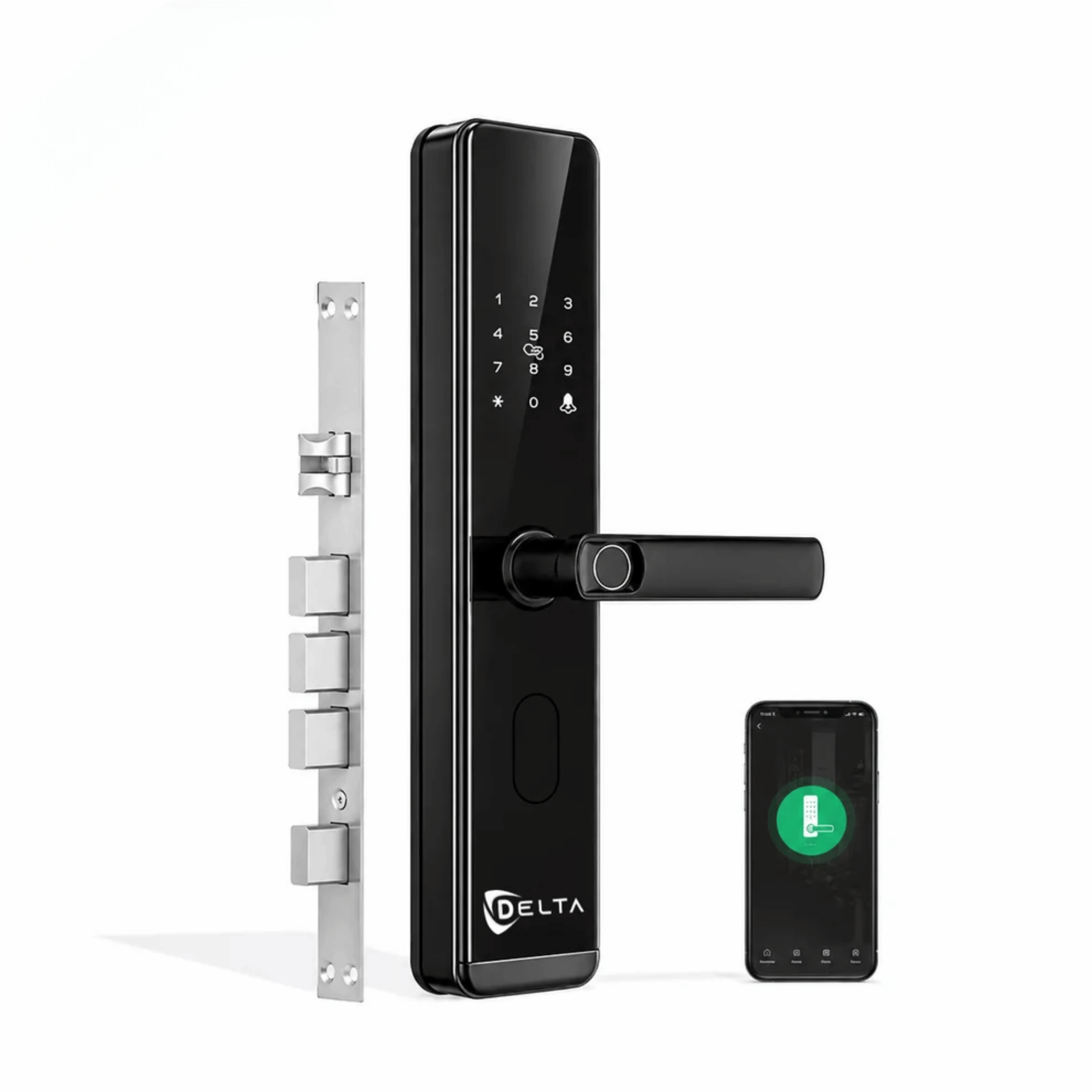
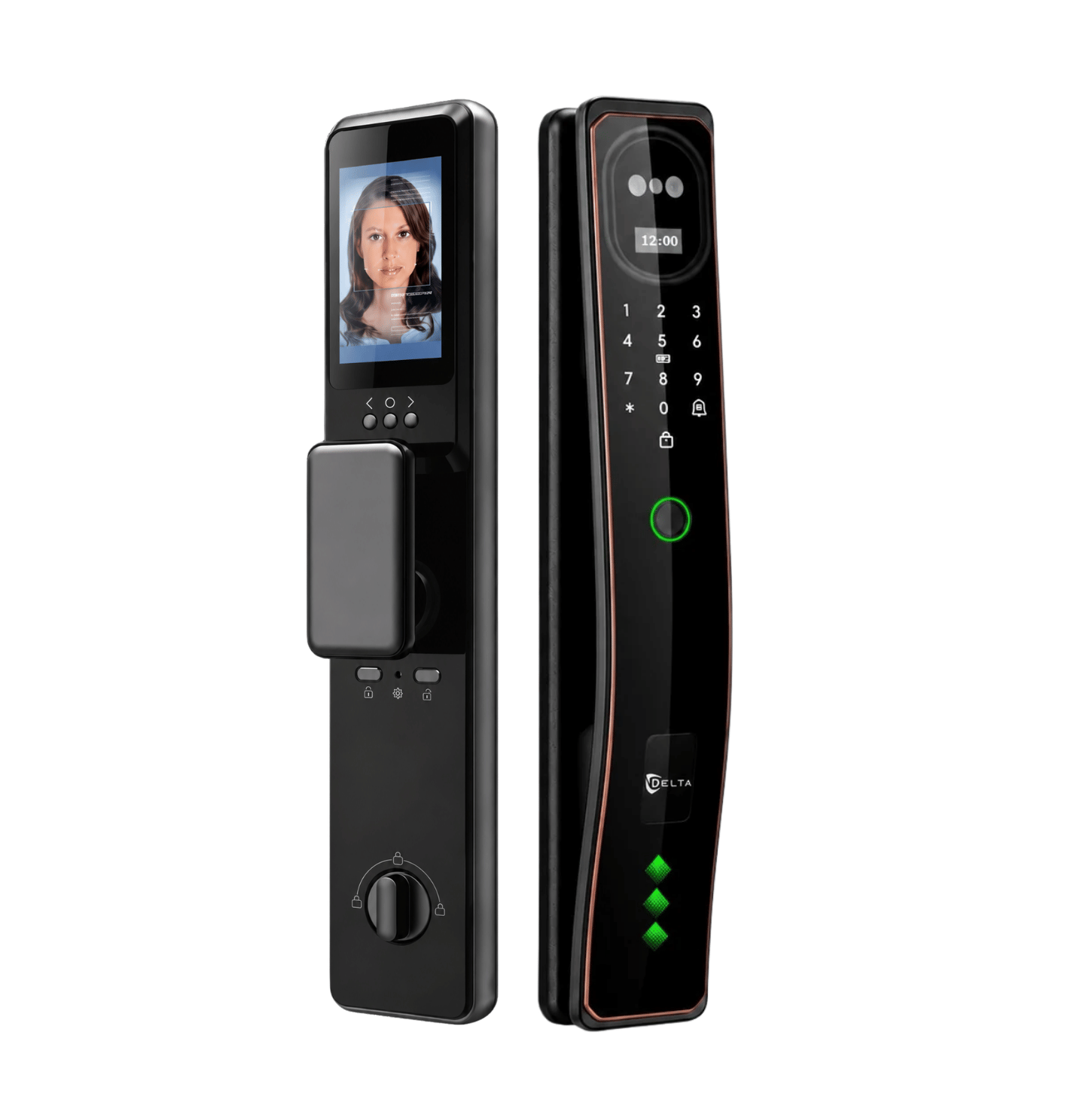
Here is what the specification typically includes at a project level:
- Fingerprint recognition for primary residents
- PIN access as a reliable backup method
- Mobile app control via WiFi for remote management
- Physical key override for emergencies
- Access log history is accessible from the app
- Tamper and intrusion alerts are sent directly to the homeowner's phone
- Auto-lock functionality that secures the door without manual action
Each of these features is a selling point in a site visit conversation. Collectively, they represent a home security proposition that traditional lock-and-key simply cannot match.
The Project Differentiation Argument
Let us be direct about something. The Indian residential market is competitive. Builders in every city are competing for the same buyer pool, often with similar locations, similar layouts, and similar price points. Differentiation is hard to achieve and easy to lose.
Smart home features, and smart home security locks in particular, offer a tangible, demonstrable point of difference that buyers can see, touch, and understand within seconds of a site visit. It is not an abstract benefit like "superior construction quality." It is immediate and experiential.
Developers who have incorporated keyless entry door locks and smart security systems into their projects consistently report stronger buyer engagement and faster decision-making. Buyers who were on the fence between two comparable projects often cite smart home features as the deciding factor. That is a conversion advantage that pays for the specification many times over.
The Bottom Line for Builders and Architects
The shift toward smart door locks for new projects is not a trend that will reverse. It is a baseline that is moving in one direction. The builders and architects who specify these systems today are meeting the expectations of a buyer who has already decided that this is the standard. The ones who wait are going to find themselves explaining why their project does not have something that the project down the road does.
Delta Home offers a range of CE, RoHS, and FCC-certified smart door locks trusted by builders, housing societies, and homeowners across India, with free installation available across 15,000+ pincodes. If you are planning a new project and want to explore smart lock specifications that work at scale, it is a conversation worth having before the doors go in.