

Picture this. The doorbell rings. You're in the middle of something, maybe cooking, maybe in the shower, maybe just not in the mood to deal with whoever's outside. You have no idea who it is. Could be a neighbor. Could be a delivery guy. Could be someone you really don't want to open the door for. With an old-style doorbell, your only option is to walk over and find out the hard way.
A traditional doorbell really only does one thing. Someone presses it, it makes noise, and that's the end of its job. It doesn't tell you anything about who's standing there. It doesn't work at all if you're not home. And once the sound fades, there's no record that anyone even came by. For something that's supposed to be the first line of contact with your home, that's a pretty limited job description. So what changes when you bring in a smart doorbell? Quite a lot, actually.
What a WiFi Video Doorbell Actually Does
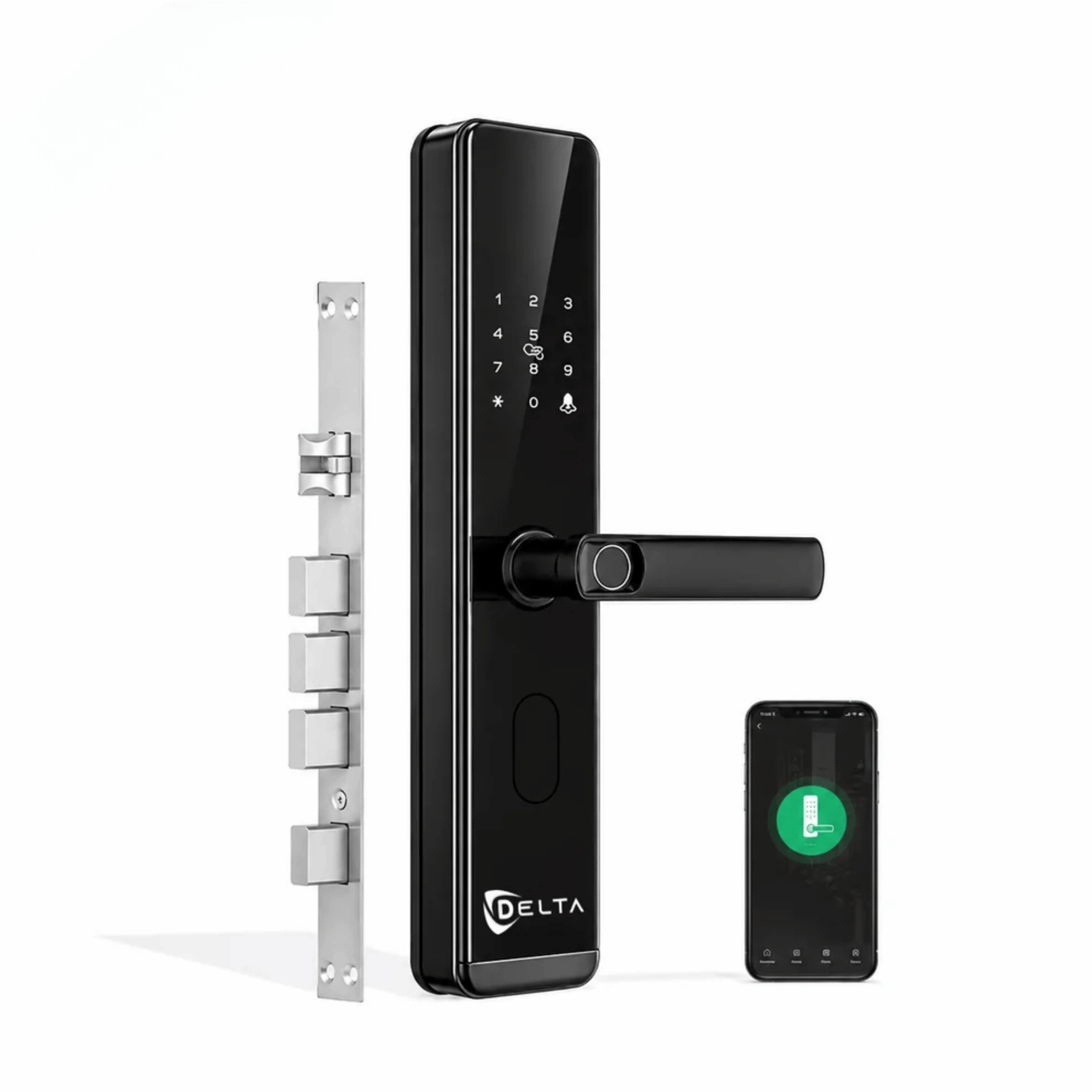
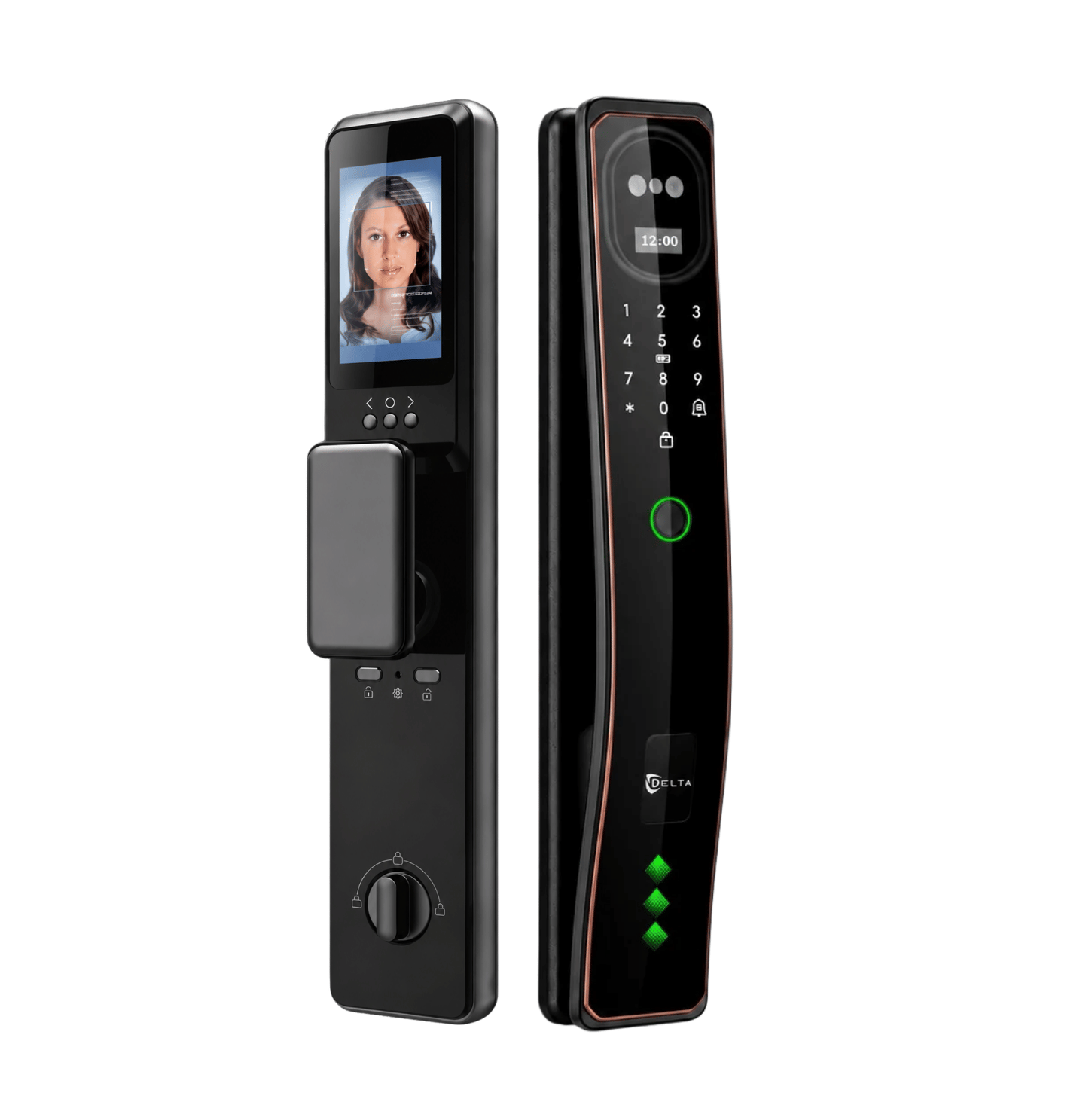
A wifi video doorbell connects to the internet in your home, which means it's not just a button anymore. It usually comes with a small camera, a microphone, and a speaker built right in. The moment someone walks up and presses it, your phone lights up with a live video feed, wherever you happen to be. Sitting at your desk at work. Standing in line at the grocery store. Even halfway across the world on a trip.
And it's not just watching, you can actually talk back. Through the app, you can speak directly to whoever's at your door, almost like answering a regular phone call. Tell the delivery person to leave the box by the side gate. Ask a stranger what they want before you ever open the door. None of this is possible with a bell that only makes a sound.
That's really the heart of what separates a digital doorbell from an old-fashioned one. A traditional doorbell only works if you're home and close enough to hear it ring. A digital one works anywhere your phone does.
Where the Real Differences Show Up
The easiest way to understand the gap between old and new is to just walk through what actually happens in daily life. Start with the obvious one: you can actually see who's there. A smart doorbell camera catches video the second someone steps up to your door, so instead of guessing or peeking nervously through a window, you just glance at your phone. No more opening the door without knowing who's on the other side, which honestly matters a lot more at night or when you're home by yourself.
Then there's the fact that it keeps working even when you're not there. A smart video doorbell pushes notifications to your phone the instant someone rings or even just walks up close, no matter where you physically are. Compare that to a regular doorbell, which goes completely unnoticed if nobody's inside to hear it. That's missed packages, missed visitors, and sometimes missed warning signs that something's not right at your front door.
Two-way talking deserves its own mention too, because it's one of those features that sounds small but ends up being genuinely useful almost every day. You hear them, they hear you, and you can have a real conversation no matter where you're standing. Away at the office when a delivery shows up? Instead of the package sitting out in the open or getting sent back, you just speak through the doorbell and redirect them. Try doing that with a bell that only buzzes.
Most smart doorbells also hold onto video, either saved on the device itself or stored through a cloud service. So if something odd happens, a package goes missing, or someone's loitering around your door, you've actually got footage to look back on. A traditional doorbell has no memory whatsoever. Once it stops ringing, that moment is just gone.
And a lot of these systems don't even need someone to press the button to notice them. Motion detection means the doorbell can pick up on movement nearby and send an alert even if nobody rings it. That extra bit of awareness just isn't something an old-school doorbell is built for.
Why People Are Actually Switching
It's not just about having new tech for the sake of it. There are real, practical reasons families are making the move toward a digital doorbell. A lot of it comes down to peace of mind. Parents like being able to check who's outside before their kids ever open the door. Older family members don't have to get up and shuffle over every single time the bell rings; they can just glance at a phone or screen first.
Package theft is a bigger worry than it used to be, especially with how much people order online now. Being able to see exactly when something arrives, and keep an eye on it until you're home, makes a real difference with a smart video doorbell running in the background.
There's also just the comfort of staying connected to your home even when you're nowhere near it. Out running errands, away on a trip, doesn't matter, you're not left wondering who stopped by or what you might have missed.
And despite sounding complicated, most of these devices are genuinely simple to set up. Connect it to your WiFi, pair it with an app on your phone, and you're usually good to go. You don't need to be especially tech-savvy to get a wifi video doorbell running.
A Few Things Worth Checking Before You Buy
If you're thinking about making the switch, it's worth spending a few minutes comparing options rather than grabbing the first one you see. Does it have decent night vision, since a lot of visits happen after dark? Is the two-way audio clear, or does it sound choppy? Does it run on battery or need to be wired in, and how long does that battery actually last? Will you need to pay for cloud storage, or does it save footage locally? And does it play nicely with any other smart home gear you already have running?
None of these questions take long to answer, but they can save you from buying something that looks good on paper and disappoints in real life.
Wrapping It Up
A regular doorbell has done its one job for decades without much fuss, but it just wasn't built for how people live now. Between worries about package theft, wanting to know who's actually at the door, and simply liking the convenience of checking in from anywhere, a wifi video doorbell gives you something a plain bell never could: real information, right there on your phone, no matter where you are.
Whether the draw for you is the smart doorbell camera catching everything on video, the ability to talk to someone without opening the door, or just the peace of mind of seeing who's outside before you do anything else, switching over is a small change that ends up making a noticeably bigger difference in how safe and in-control your home feels day to day.